PhilBlog.com
Husband & Father | Technologist | Software Developer
Projects
Who
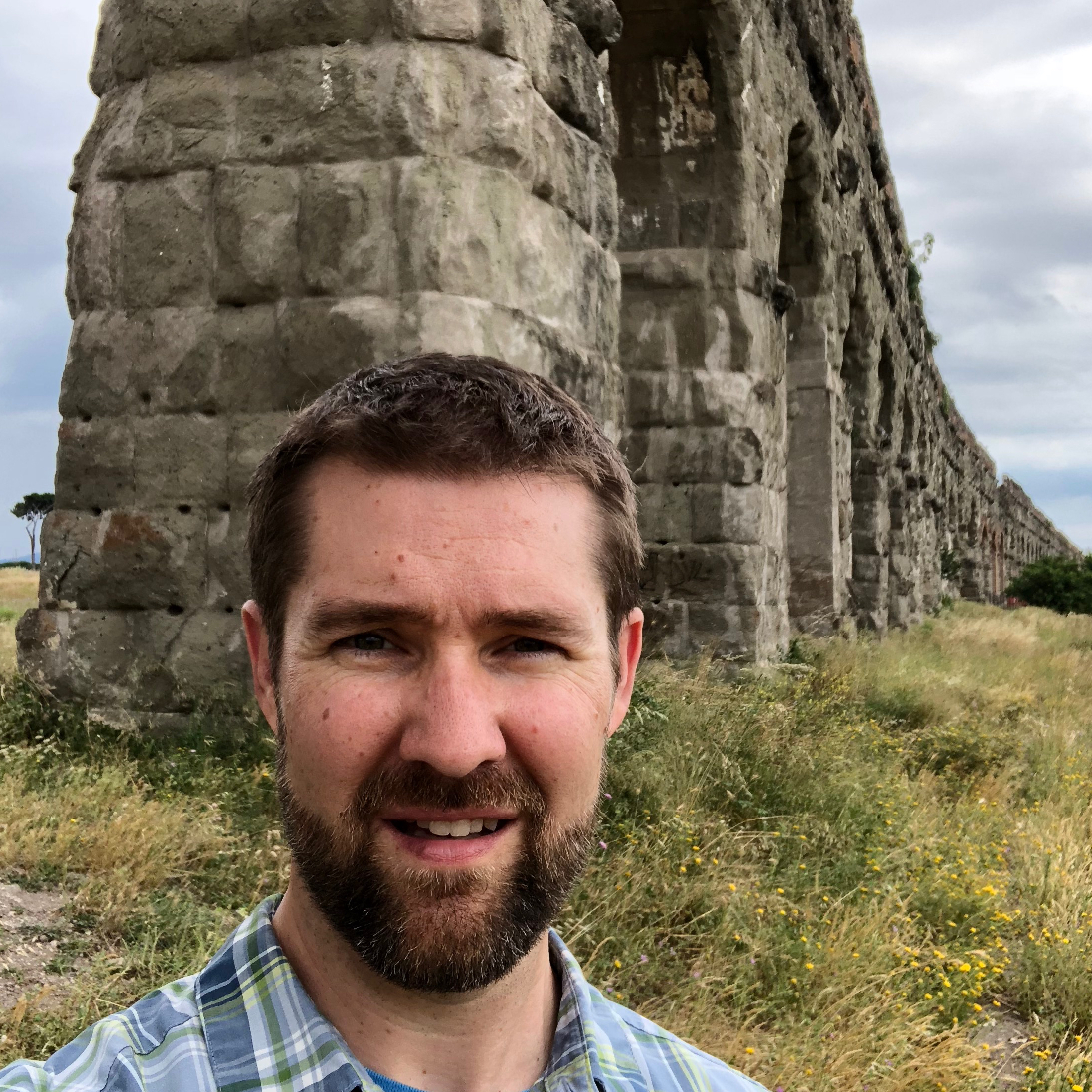
My name is Phil Ripperger, and I live in Colorado. I’m a husband, a father, a technologist, and I love to build things. I’m nearly always in the process of building something made of bits and data. And if not writing code or building systems, I’m probably working on building a team to solve a problem.
Being a technologist, I’m interested in a wide variety of topics. Some of my current interests include EVs, solar power, SpaceX, machine learning, security, software development, databases, SaaS, and augmented reality.
I currently run an Add-on for the Heroku Ecosystem called Remora Backup. If you need encrypted, offsite backups of your Heroku Postgres data, you should check out the service. I built it myself, and it takes full advantage of Heroku’s best practices and security guidelines.
Previously, I worked at Heroku for nearly ten years. I’ve been part of the software industry for over twenty-five years, and I’ve worked for both good and bad companies. Heroku was the best company I’ve been fortunate to work for. During my time there, I built and led three teams in the Support organization: the general Support team, the Customer Solution Architecture team, and finally the Data Solution Architecture team. In the Summer of 2021, I was interviewed on the Salesforce Developers Podcast about the early days of Heroku Support.
Focus
I make it a priority to focus on deep work. I’m a big fan of Cal Newport’s books, especially Deep Work. Email, meetings, calls, tickets, Slack - it’s too easy to let your day be consumed by these and think you’re doing valuable work.
Over the past few years, I’ve been relentless about removing distractions from my life, and I’ve been able to carve out mornings and late evenings for focused, deep work. I focus on learning, building, and creating value. I do this nearly every day. There are exceptions of course, but in general I do not check email, read news, or accept meetings before lunch. I leave my afternoons open for all the things that slice up my time and disrupt my concentration. And when the work day ends, I do not bring it home with me. I’ve long since deleted work email from my phone. This process and discipline was difficult at first, but it has paid off immensely in my personal and professional life, and continues to do so.
Even after twenty-five years of writing code, one of the activities I enjoy most is listening to a soundtrack and getting into a state of flow, usually working on a difficult problem involving code. I can spend hours doing this, and still often do.
Social Media
I consider social media and its ilk to be hugely destructive to work that matters, as well as a meaningful life. I don’t have much of a presence on social media. Facebook is terrible, and Twitter is a dumpster fire. If you want to get in touch with me, use LinkedIn. Just kidding. Don’t get me started on LinkedIn. Seriously though, email is the best way to reach me.